
Ultimate Guide to Crypto Trading Security 5

Ultimate Guide to Crypto Trading Security 5

Ultimate Guide to Crypto Trading Security

In the ever-evolving world of cryptocurrency, the importance of Crypto Trading Security http://www.recursosanimador.com/scripts/librovisitas2.php?pagina=8384 cannot be overstated. As digital assets become increasingly popular, so do the threats posed by malicious actors and hackers. This article aims to provide an in-depth exploration of how individuals can secure their crypto trading activities and safeguard their investments against potential risks.

Understanding the Risks in Crypto Trading

The cryptocurrency landscape is fraught with various risks that traders need to be aware of. These include:

  • Phishing Attacks: Cybercriminals often use phishing techniques to deceive traders into revealing their private keys or login credentials. They may create fake websites or send fraudulent emails that mimic legitimate platforms.
  • Exchange Hacks: Centralized exchanges have been significant targets for hackers. Notable exchanges have lost millions in assets due to security breaches.
  • Malware: Malicious software can be installed on devices to steal sensitive information or directly access users’ crypto wallets.
  • Social Engineering: Traders can be manipulated into divulging personal information or sending funds through deceitful interactions.

Best Practices for Securing Your Crypto Assets

To mitigate the risks associated with crypto trading, adopting effective security measures is crucial. Below are some best practices to enhance your crypto trading security:

1. Use Hardware Wallets

Hardware wallets are physical devices that store your cryptocurrency offline, making them less vulnerable to online attacks. By keeping your private keys offline, you dramatically reduce the risk of hacks and unauthorized access. Notable hardware wallets include Ledger and Trezor.

2. Enable Two-Factor Authentication (2FA)

Implementing 2FA adds an additional layer of security to your trading accounts. This requires not only a password but also a second form of identification, such as a code sent to your mobile device or email. Always opt for authenticator apps, rather than SMS, for a more secure option.

3. Be Wary of Phishing Scams

Always double-check URLs before entering any personal information. Verify that you are on the correct website, especially when dealing with exchanges. Be cautious of unsolicited emails and never click on links that lead to sensitive transactions.
Ultimate Guide to Crypto Trading Security 5

4. Keep Software Updated

Whether it’s your operating system, wallet software, or any trading platforms you use, always ensure you have the latest updates installed. Security patches are regularly released to protect against newly discovered vulnerabilities.

5. Use Strong, Unique Passwords

Utilizing strong passwords that are unique to each platform is essential. Consider using a password manager to help generate and keep track of your passwords securely. Avoid using easily guessable information, such as birthdays or names.

Securing Your Trading Environment

The environment in which you trade also plays a significant role in maintaining security:

1. Secure Your Internet Connection

Always use a secure and private internet connection while trading. Avoid public Wi-Fi networks as they can be exploited by attackers. Consider using a Virtual Private Network (VPN) to enhance your security while trading from public locations.

2. Monitor Your Accounts Regularly

Regularly checking your trading accounts and transactions can help you detect any unauthorized access early. If you notice anything suspicious, act swiftly to secure your account.

3. Educate Yourself

The crypto landscape is continuously changing, and staying informed about the latest security threats and best practices is crucial. Follow reputable sources for updates, and engage with communities focused on crypto security.

Conclusion

Crypto trading security is a vital aspect of protecting your investments in an increasingly risky environment. By implementing best practices, remaining vigilant, and staying updated on security threats, you can effectively safeguard your assets. As technology advances and the crypto market continues to evolve, prioritizing security will remain paramount for successful trading.

Exploring the Future Innovative Crypto Trading Models

Exploring the Future Innovative Crypto Trading Models

Exploring the Future: Innovative Crypto Trading Models

In the rapidly evolving world of cryptocurrencies, trading models serve as crucial frameworks for effectively navigating the complexities of the market. From algorithmic trading to sentiment analysis, various models are employed by traders to gain a competitive edge. This article delves into different crypto trading models, exploring their mechanics, benefits, and limitations, aiming to provide insights that can enhance your trading strategy. For further reading on related topics, you can refer to the following resource: Crypto Trading Models http://www.recursosanimador.com/scripts/librovisitas2.php?pagina=8188.

Understanding Crypto Trading Models

Crypto trading models are essential for making informed decisions in the dynamic landscape of digital currencies. These models can be categorized into several types, including technical analysis, fundamental analysis, and quantitative trading strategies.

1. Technical Analysis

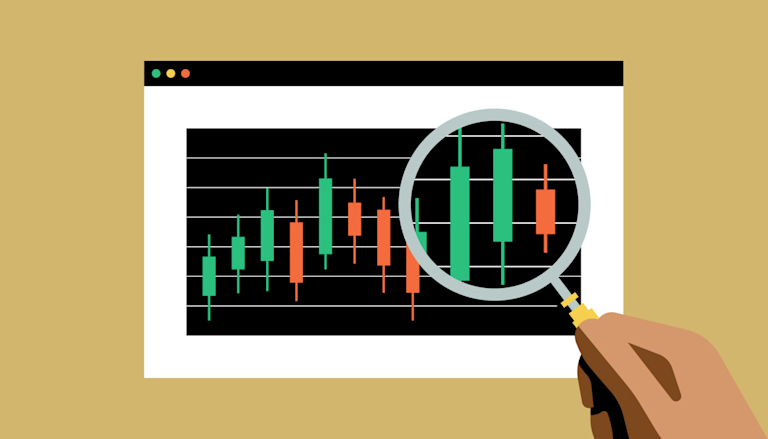
Technical analysis involves the study of price patterns and trading volumes to forecast future price movements. Traders use various tools, including charts and technical indicators, to identify trends, support and resistance levels, and potential entry and exit points.

Popular Indicators

  • Moving Averages: Help smooth out price data to identify trends over specific periods.
  • Relative Strength Index (RSI): Measures the speed and change of price movements to identify overbought or oversold conditions.
  • Bollinger Bands: Provide a relative definition of high and low prices, guiding potential trading actions.

2. Fundamental Analysis

Fundamental analysis, on the other hand, focuses on evaluating the intrinsic value of a cryptocurrency by investigating related economic, financial, and other qualitative and quantitative factors. This model requires a deep understanding of the project behind a cryptocurrency, including its technology, use case, team, and market position.

Key Factors to Consider

  • Technology: How innovative is the underlying technology? Is it scalable and secure?
  • Team: Who are the team members behind the project? What is their track record?
  • Market Trends: What is the demand for the cryptocurrency? Are there any regulatory concerns?

3. Quantitative Trading Models

Quantitative trading models rely on statistical techniques and mathematical computations to identify profitable trading opportunities. These models analyze large datasets to create trading algorithms that may be executed automatically on exchanges.

Exploring the Future Innovative Crypto Trading Models

High-Frequency Trading (HFT)

High-frequency trading is a popular quantitative strategy that leverages advanced technology to execute trades in fractions of a second. HFT strategies often capitalize on small price discrepancies in quickly moving markets.

The Rise of Machine Learning in Crypto Trading

As the significance of data increases, so does the incorporation of machine learning (ML) techniques in developing trading models. Machine learning algorithms can identify patterns in large datasets that human traders may overlook.

Types of Machine Learning Approaches

  • Supervised Learning: Models are trained using labeled datasets. This approach helps in predicting future prices based on historical data.
  • Unsupervised Learning: This technique detects underlying patterns in unlabeled data, useful for identifying correlations and market behavior shifts.
  • Reinforcement Learning: A model learns to make decisions by receiving feedback from actions taken, leading to the refinement of trading strategies over time.

Psychological Factors in Trading

While models and algorithms are important, psychological factors also play a crucial role in trading decisions. Traders often fall victim to emotional biases, such as panic selling or euphoric buying, which can skew their judgment.

Recognizing Common Biases

  • Confirmation Bias: The tendency to favor information that confirms existing beliefs.
  • Loss Aversion: The fear of losing money leads to poor decision-making, often resulting in holding onto losing assets too long.
  • FOMO (Fear of Missing Out): The impulsive decision to buy assets due to fear of missing potential gains.

The Future of Crypto Trading Models

As technology advances, the landscape of crypto trading will continue to evolve. The advent of decentralized finance (DeFi) and the integration of artificial intelligence (AI) in trading strategies suggest that future models will be more sophisticated and efficient.

Emerging Trends to Watch

  • Decentralized Trading Platforms: These platforms enable peer-to-peer trading without intermediaries, enhancing transparency and reducing fees.
  • Integrating AI and Big Data: More traders will utilize AI to analyze vast amounts of data for informed decision-making.
  • Social Trading: The rise of platforms that allow traders to mimic successful traders’ strategies in real-time will change the dynamics of trading.

Conclusion

Understanding and leveraging various crypto trading models is essential for success in the volatile world of cryptocurrency trading. Whether you choose technical analysis, fundamental analysis, quantitative strategies, or incorporate machine learning, staying informed on trends and developments is vital. By continuously refining your approach, you will be better equipped to navigate the complexities of the crypto market.