
The Role of Luck in Gambling
Luck is often perceived as a mystical force that can significantly sway outcomes in various forms of gambling. In the context of casinos, many players believe that luck can either enhance their experience or lead to unfortunate losses. This notion of luck can create a psychological atmosphere where players engage in rituals or superstitions, hoping to attract favorable outcomes. For example, some might wear lucky charms or select specific slots based on perceived personal luck, showcasing how luck becomes intertwined with gameplay. Many enjoy the thrill of online options like payid pokies , which can further amplify the excitement of their narratives around luck, leading to a captivating blend of personal beliefs and gambling activities.
Moreover, the randomness of games such as slots, roulette, and blackjack raises the perennial question of whether luck truly plays a role in determining wins or losses. Statistically, each game has set odds, but players who experience winning streaks often attribute these moments to luck rather than the odds. This blend of analytical understanding and emotional belief in luck can create a unique tension during gameplay, influencing a player’s overall casino experience. When players believe that luck is on their side, their confidence may increase, leading to more engaging gameplay and potentially even greater risks.
In reality, while luck can lead to winning moments, it’s essential to comprehend that it doesn’t guarantee continued success. The thrill of gambling largely hinges on this unpredictability; players buy into the idea of luck, which can transform an ordinary night into something memorable. Nevertheless, attributing all successes purely to luck might obscure the importance of skill, strategy, and self-discipline in making informed betting choices. Acknowledging this complexity allows players to appreciate the multifaceted nature of their casino experience, blending both luck and informed decision-making.
The Psychology of Luck and Gambling
The psychological impact of believing in luck is profound in the world of gambling. Many players enter a casino with a mindset that luck is a significant factor in their potential success. This belief can dramatically affect their behavior, decisions, and even financial outcomes. When individuals perceive themselves as ‘lucky’ or ‘unlucky,’ they might take riskier bets or refrain from playing, affecting their engagement levels and overall satisfaction. For instance, players who feel lucky may chase losses, betting more in hopes of a turnaround, which can lead to both exhilarating highs and devastating lows.
Furthermore, the psychology of luck can foster a sense of community among players. People often share their ‘lucky’ experiences, creating a social dynamic that emphasizes luck as a shared belief. These narratives about remarkable wins often circulate among players, reinforcing the idea that luck is a powerful force at play within casinos. The shared language of luck fosters connections between individuals and can create an electric atmosphere that enhances the casino experience, regardless of actual outcomes. The collective excitement can amplify personal belief in luck, making the experience more immersive and enjoyable.

However, this psychological reliance on luck can be misleading. While some players may experience short-term success driven by fortunate circumstances, the long-term reality of gambling is rooted in odds and probabilities. It’s essential for players to remain grounded and understand the delicate balance between luck and strategy to avoid the pitfalls that come from an overemphasis on gambling luck. Recognizing that while luck can occasionally play a role, it shouldn’t overshadow the need for responsible gaming practices is crucial for a satisfying casino experience. This understanding can lead to more prudent choices and a healthier relationship with gambling.
Factors Influencing the Perception of Luck
Several factors contribute to how players perceive and experience luck in a casino setting. One of the most significant is the environment itself—casinos are designed to evoke excitement, with vibrant lights, sounds, and decor that can heighten emotional responses. When players are surrounded by an exhilarating atmosphere, they may be more inclined to attribute their wins or losses to luck rather than acknowledging the influence of the games’ mechanics. This sensory overload can significantly amplify the belief in luck as players become engrossed in the thrill of the moment, making them more receptive to the idea that luck is in play.
Another critical factor is the impact of personal experiences on one’s perception of luck. Individual histories with gambling can shape a player’s mindset. A player who has enjoyed a string of wins may develop a strong belief in their luck, while someone who consistently loses might grow skeptical and feel that luck is against them. These narratives can be self-perpetuating, as a player’s beliefs can influence their betting behavior, leading to patterns of success or failure that reinforce their perceptions of luck. Understanding this psychological cycle can help players recognize how their experiences shape their gambling mindset.
Lastly, social interactions within casinos play a vital role in shaping the perception of luck. Observing others winning big can create a sense of shared hope and excitement, leading players to feel optimistic about their potential outcomes. This social aspect can foster a communal belief in luck, where individuals cheer each other on and share strategies that are believed to enhance luck. The collective energy generated in these environments can significantly impact personal experiences, infusing gambling with a sense of camaraderie that emphasizes the psychological aspects of luck. This social cohesion can make the overall experience more enjoyable, reinforcing the belief in luck among players.
The Impact of Skill and Strategy on Casino Games
While luck undoubtedly has its place in the casino experience, skill and strategy are equally critical components that should not be overlooked. In games such as poker, for instance, understanding probability, psychology, and game theory can significantly enhance a player’s chances of success. The ability to read opponents, manage one’s bankroll, and make calculated decisions often outweighs mere luck. Players who invest time in mastering these skills tend to have more consistent results compared to those who rely solely on chance. This highlights the importance of skill in games where strategy can influence outcomes significantly.
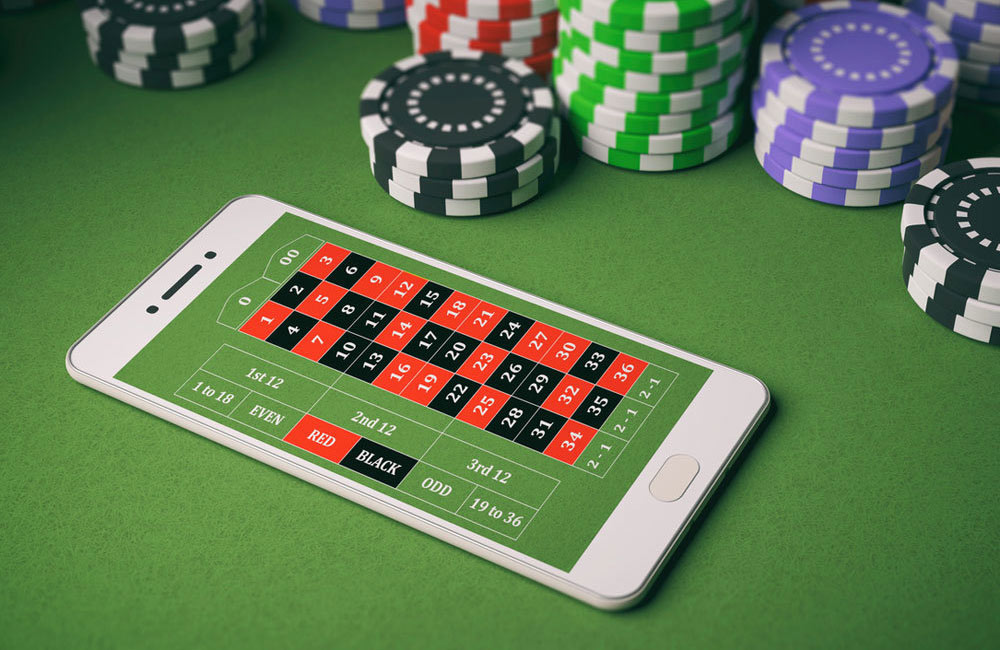
Moreover, different games have varying degrees of luck and skill involved. For example, while slots are predominantly luck-based, games like blackjack allow players to employ strategies that can improve their outcomes. Knowledge of basic strategies, such as when to hit or stand, can lead to better decision-making, highlighting the interplay between luck and skill in determining success in a casino. Players who acknowledge this blend often find their experiences to be more rewarding and informed, enhancing their understanding of the games they play.
Ultimately, a balanced understanding of both luck and skill can enhance the overall gambling experience. Responsible gaming advocates emphasize the importance of setting limits, understanding the odds, and strategizing rather than solely relying on luck. This pragmatic approach can lead to a more sustainable relationship with gambling, where enjoyment derives from both the thrill of chance and the satisfaction of employing skillful strategies. By recognizing the role of skill, players can cultivate a more enriching experience that goes beyond the randomness of luck.
Conclusion: Embracing Luck and Strategy Together
In the grand tapestry of casino experiences, luck and skill are interwoven threads that contribute to each player’s journey. While luck may spark the initial thrill of a potential win, it’s the strategic decisions and personal discipline that often determine long-term outcomes. Embracing both elements allows players to appreciate the nuances of gambling while making informed choices that enhance their overall enjoyment. By understanding how luck influences their mindset, players can navigate their experiences more effectively.
Players should recognize that while luck can lead to memorable moments, developing skills and employing strategies can be equally gratifying. This balanced approach enriches the experience, fostering a deeper connection with games and an understanding of the complexities involved in gambling. As individuals navigate the unpredictable world of casinos, blending luck with skill will ensure a more fulfilling experience. This combination can transform casual gambling into a more thoughtful and engaged practice.
If you are fascinated by the interplay of luck and strategy in casinos, our website is dedicated to providing insightful resources and guidance. We strive to equip players with the knowledge they need to navigate their gambling experiences responsibly, ensuring they can enjoy the thrill of the game while minimizing risks. Join us to explore the world of gaming, where understanding both luck and skill can transform your approach to casino experiences and lead to a deeper appreciation of the games you love.