
The Elements of Casino Game Design
The design of casino games is intricately crafted to influence player behavior and enhance engagement. From vibrant colors to enticing sounds, every element is meticulously chosen to create an immersive experience. For example, slot machines often use bright lights and engaging sound effects that respond with chimes and celebrations when players win. This reinforcement of positive emotions increases the likelihood of continued play, especially when players explore australian betting sites that offer various exciting promotions. Such a multisensory approach not only draws players in but keeps them engaged, heightening their desire to play longer and deeper into the gaming experience.
Moreover, the layout of casinos is intentionally designed to guide players through the gaming floor, often leading them from one game to another without clear exits. This environment is crafted to evoke a sense of excitement and adventure, maintaining a stimulating atmosphere that encourages exploration. The strategic placement of games, including high-stakes tables and popular slots, capitalizes on psychological concepts such as availability and accessibility. This makes it easy for players to transition from one game to another, further enhancing their overall experience and keeping them in the gaming zone longer.
Additionally, the concept of reward systems plays a significant role in game design. Many games operate on a near-miss feature, where players come close to winning but ultimately do not strike it lucky. This design element creates a psychological phenomenon known as the “hot hand,” where players feel an increased likelihood of winning after a series of near-misses. Such mechanisms capitalize on players’ emotions, fostering an erroneous belief that persistence will eventually lead to success. This can lead to longer gaming sessions and increased spending, ultimately benefiting the casino while keeping players engaged in the process.
The Role of Risk and Reward
The psychology of risk and reward is central to understanding player behavior in casinos. Gamblers are often drawn to the thrill associated with risk-taking, and the potential for reward can become a powerful motivator. This interplay can stimulate the brain’s pleasure centers, releasing dopamine and contributing to feelings of excitement and euphoria during play. For instance, players may feel a rush when placing a bet or spinning the reels, as the adrenaline builds and anticipation grows. This powerful combination can create an irresistible urge to keep playing, even when faced with potential losses.
However, this excitement can also lead to risky behavior, as players may start to chase losses or engage in excessive gambling. This phenomenon, often referred to as “loss aversion” in behavioral economics, occurs when individuals prefer to avoid losses over acquiring equivalent gains. The desire to recoup lost funds can lead players to make impulsive decisions, such as increasing their bets or playing longer than intended. Such behaviors highlight the complex relationship between excitement and rational decision-making in gambling contexts, often leading to detrimental outcomes.
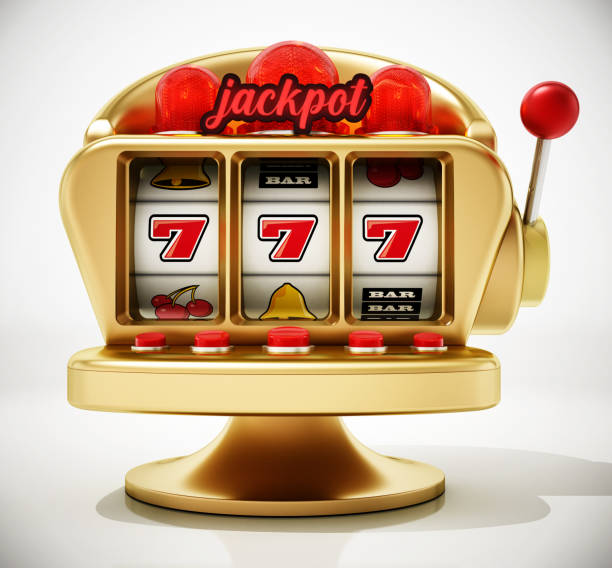
Compulsion in gambling can significantly impact player behavior. Some players may develop a psychological dependence on the thrill of winning, leading to compulsive gambling behaviors. The line between enjoyment and addiction can become blurred, emphasizing the importance of recognizing when gaming transforms from entertainment into a detrimental habit. Understanding this dynamic underscores the need for responsible gaming practices and awareness about the risks involved in casino play. By identifying warning signs early, players can take proactive steps to maintain control over their gambling habits.
The Impact of Social Influence
Social dynamics play a crucial role in shaping casino experiences and influencing player behavior. Many individuals are drawn to casinos not just for the games but also for the social interactions that occur within them. Whether sharing a table with friends or engaging with fellow players, the social environment can enhance the excitement of the gaming experience. This communal aspect fosters a sense of belonging and shared enjoyment, which amplifies the thrill of gambling and encourages longer playtimes. The connection with others can make the experience more enjoyable and memorable.
The presence of social cues can heighten excitement and motivate players to engage in more risk-taking behavior. For instance, cheering and celebrating wins with others can create a positive atmosphere that perpetuates continued play. Peer pressure may also come into play, as individuals might feel compelled to join in betting or to keep pace with their friends, even if it stretches their personal budgets. This social influence can lead to increased spending and a greater likelihood of chasing losses, as the desire to fit in with the group overrides individual caution.
Furthermore, online social gaming has transformed how players interact with gambling. The rise of social casinos allows players to engage with friends and share achievements in a virtual environment while enjoying traditional casino games. These platforms leverage social connections to sustain player engagement, ensuring individuals feel connected even when physically apart. The integration of social features into gaming experiences exemplifies how the influence of others continues to shape behaviors and enhance overall enjoyment, making social interaction an integral part of the modern gaming landscape.
Cognitive Biases and Misconceptions
Cognitive biases play a significant role in shaping the perceptions and decisions of casino players. One prevalent bias is the “gambler’s fallacy,” where players mistakenly believe that past outcomes influence future results. For instance, after a series of losses, a player may feel that a win is “due” and thus continue to gamble, ignoring the fact that each game is statistically independent. This misconception can lead to prolonged play and increased financial losses, as players chase perceived patterns rather than relying on established probability principles.

Another common bias is the “illusion of control,” where players believe they have influence over random outcomes. This can manifest in various ways, such as players feeling they can affect the spin of a slot machine or influence the roll of dice through specific actions. Such beliefs can reinforce continued engagement, as players may feel empowered to control their destiny within the game. However, this fundamentally flawed logic can lead to an increased risk of gambling addiction, as players become entrenched in the idea that their actions can lead to significant financial gains.
Moreover, the “availability heuristic” can skew players’ perceptions of winning. Individuals often recall their most memorable wins, which can overshadow the more frequent losses that occur during play. This selective memory can lead players to overestimate their chances of winning and encourage them to continue playing, despite the odds being stacked against them. Understanding these cognitive biases highlights the importance of raising awareness about the psychological factors that drive player behavior in casinos, allowing players to make more informed decisions.
Conclusion and Responsible Gaming
In conclusion, exploring the psychology behind casino games and player behavior reveals the intricate web of influences that shape gambling experiences. From game design elements that stimulate engagement to the psychological interplay of risk and reward, numerous factors contribute to the allure of casinos. Social dynamics further enhance the experience, creating a vibrant environment where players feel connected and excited. However, understanding the cognitive biases that can lead to misconceptions is essential for promoting responsible gaming practices, ensuring that players remain aware of their behaviors and the potential impacts of their decisions.
The commitment to responsible gaming is crucial in today’s gambling landscape. Players must be educated about the psychological aspects of gaming to make informed decisions. By recognizing the signs of problem gambling and seeking help when needed, individuals can maintain healthy gaming habits and ensure their enjoyment does not come at the expense of their well-being. Responsible gaming initiatives and resources continue to promote awareness, emphasizing the need for a balanced approach to gambling that prioritizes player safety.
At its core, understanding the psychology of gambling can lead to a more enriching and safer gaming experience. Whether engaging in casino games for recreation or competition, recognizing the psychological influences at play can help players make more conscious decisions. By prioritizing responsible gaming and fostering awareness of these psychological elements, both players and casinos can work towards a more enjoyable and sustainable gaming environment for all, encouraging a culture of fun and responsibility in the world of gaming.