
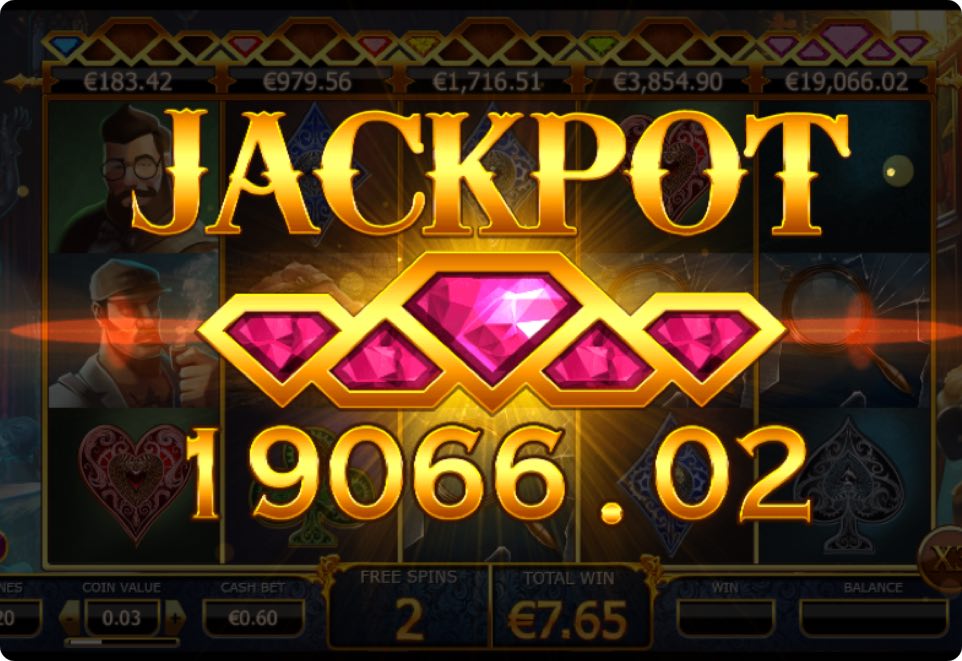
Let’s peek inside the server rack to understand what drives jackpot fishing slots rtp Slot work. Anyone who has played it knows the appeal is clear: a chaotic, vibrant underwater environment where every cast might bring a transformative reward. But under that excitement is a robust engineering framework. I aim to guide you through the engineering plan that maintains this game’s performance, from a solitary spin to those enormous, collective jackpots.
Number 6. Data Storage and Player State Management
When you shut down the game, your progress is saved. A persistence layer handles this with multiple tools for different jobs. Your persistent profile—your name, your total coin balance, your collected lures and rods—is stored in a scalable SQL database. This focuses on data safety and consistency.
But the dynamic data of your active session is stored in an in-memory database like Redis. This is where your current score, the fish currently on your line, and other temporary data are kept, enabling fast reads and writes. When you win, a transaction ensures your permanent balance is updated and a log entry is written concurrently. Each financial action is recorded in an unalterable audit log for security, customer support, and regulatory reviews.
Eight. Security and Integrity Structure
Player trust is everything, therefore security is baked into every layer. All information traveling between your terminal and the server systems gets encrypted using modern TLS. The critical RNG and jackpot logic function in restricted, sandboxed environments. Independent auditing firms verify and validate the randomness of the random number generator and the mathematical integrity of the game.
Payment handling is managed by dedicated, PCI-compliant services. Such systems are fully isolated from the gaming servers. Fraud monitoring systems monitor for unusual patterns of activity, and user data is managed according to strict privacy policies. The aim is to establish a protected environment where the only surprise is what you reel in next.
4. Progressive Jackpot Framework: Building the Prize Pool
The most exciting part, the progressive jackpot, is additionally one of the most isolated pieces of the architecture. It functions as its own secure microservice. A modest portion of every bet wagered on the game, from any given player, gets transmitted to a main prize pool. This service accumulates them continuously, updating that giant, tempting jackpot number you view on screen in real time.
Jackpot Triggers and Win Verification
Achieving the jackpot entails a certain trigger, like catching a mythical golden fish or hitting a ideal set of symbols. The gameplay engine recognizes the trigger and sends a win claim to the jackpot service. That service double-checks everything, ensures the win is legitimate, and then carries out a crucial operation: it disburses the colossal sum while concurrently reinitializing the pool to its seed value, all in one atomic transaction. This eliminates any possibility of the same jackpot awarding twice. Then it sends out the celebratory alerts everyone sees.
3. Multiplayer Syncing Layer: Throwing in Unison
That experience of being in a lively, living ocean is created by a specialized synchronization layer. Each player’s system maintains a continuous WebSocket connection going to the game servers. When you toss your line, that message zips to this layer, which immediately tells every other player in your session. That’s how everyone sees the same schools of fish and the same animations at the same time.
This layer arranges players into handy groups or rooms. It synchronizes game state efficiently, sending only the changes (like a fish shifting or a new bubble appearing) rather than redrawing the entire scene every second. This maintains data use low, which is vital for players on phones using mobile data.
Two. Core Gameplay Engine: The Core of the Gameplay
Everything depends on the gameplay engine. View it as the game’s brain, and it lives on the server side. This robust C++ module manages every calculation. It calculates the output of your spin, the fish you encounter, and the amount you win. Executing this logic backend guarantees fairness; players cannot manipulate by tampering with settings on their own device.
Fixed Logic and Random Number Generation
Honest gaming relies on the number generator. This isn’t some simple algorithm. It’s a certified system that creates the output the moment you hit the play button. That outcome dictates both the reel symbols on your reels and the information of any fish you hook—its type, its value, its multiplier. The engine processes all of this related math in one go, using fixed probability models.
Real-Time Event Processing
The engine is continuously busy. It processes a series of events from players: lines cast, fish landed, items consumed. It determines these actions against the current game state within milliseconds. If two players seem to hook the identical large fish, the server’s official clock determines who actually got it first. This speed is what makes the game feel immediate and dynamic, not laggy or sequential.
5. Server-Client Communication Model
This game employs a twofold approach to communication for both safety and speed. Essential actions—making a bet, withdrawing, claiming a jackpot—are sent over secure HTTPS connections. This protects the data from tampering. Meanwhile, all the dynamic stuff, like fish swimming by, streams through the speedier, persistent WebSocket pipe.
The model is rigorously server-authoritative. Your device is fundamentally a intelligent display. It presents you what the server says is happening. You submit your intentions (a button press), the server carries out all the processing, and then it tells your client the result. This design makes cheating practically unfeasible, as the server is the sole source of truth for your balance and the game state.
The seventh point: Scalability and Cloud-Based Systems
The system is constructed to scale out, not just up. It usually operates on a cloud environment such as AWS or Google Cloud Platform. Core services—the game engines, the sync layers, the jackpot system—are bundled as containers using Docker and managed by an management system like Kubernetes. When player numbers surge, the platform can automatically spin up more replicas of these containers to share the load.
Load Balancing and Regional Deployment
Gamers do not connect immediately to a single game server. They access smart load managers that distribute connections equally across a cluster of servers. This prevents any single server from being swamped. To ensure the game snappy for a worldwide player base, these server clusters are set up in numerous regions worldwide. A gamer in London accesses to servers in Europe, while a user in Sydney accesses to nodes in Asia, cutting down lag.
1. Overview: The Vision Behind the Reels
Jackpot Fishing Slot set a major objective from the beginning. It sought to take the interactive, lively enjoyment of an arcade fishing game and bolt it directly onto the tense mechanics of a progressive slot. That vision dictated the entire technical approach. You can’t build a collective, continuous world where everyone chases the same prize with traditional, independent slot machine code.
The main technical problem was real-time interaction. All actions a player makes—pressing spin, reeling in a fish—has to impact the shared game world right away. Your screen must display other players’ catches at the instant they take place, and the overall jackpot indicator must increase with every bet, in all places, at once. The system was designed for speed and rock-solid reliability.
The ninth Ongoing Deployment and Live Operations
The framework facilitates a continuous deployment workflow. Programmers can implement a new type of fish, a exclusive event, or a game adjustment without shutting the entire game offline. They often use a canary deployment strategy: the update goes to a small percentage of gamers first. The team watches for glitches or performance dips, and only rolls it out to everyone once it’s confirmed stable.
A extensive tracking system oversees the full operation. Dashboards present instant charts of server performance, number of errors, transaction rates, and player counts are online. If something starts to go wrong—for instance, latency spikes in a geographic cluster—automated alerts wake up the ops team. This constant vigilance is what stops the virtual ocean from failing. The game must remain ready for the next round.