
The evolution of gambling A journey through its historical milestones
The Origins of Gambling
The practice of gambling can be traced back to ancient civilizations, with evidence suggesting its existence as far back as 3000 BC in Mesopotamia. Early forms of gambling often involved dice made from materials like bone and ivory. These primitive games laid the groundwork for the development of more structured betting systems that would emerge in the following centuries. Cultures across the globe, including the Chinese, Egyptians, and Romans, engaged in various forms of gambling, often linked to religious rituals or social gatherings. Today, many enjoy the pengu sport casino game from InOut Games, which reflects the ongoing appeal of such activities.

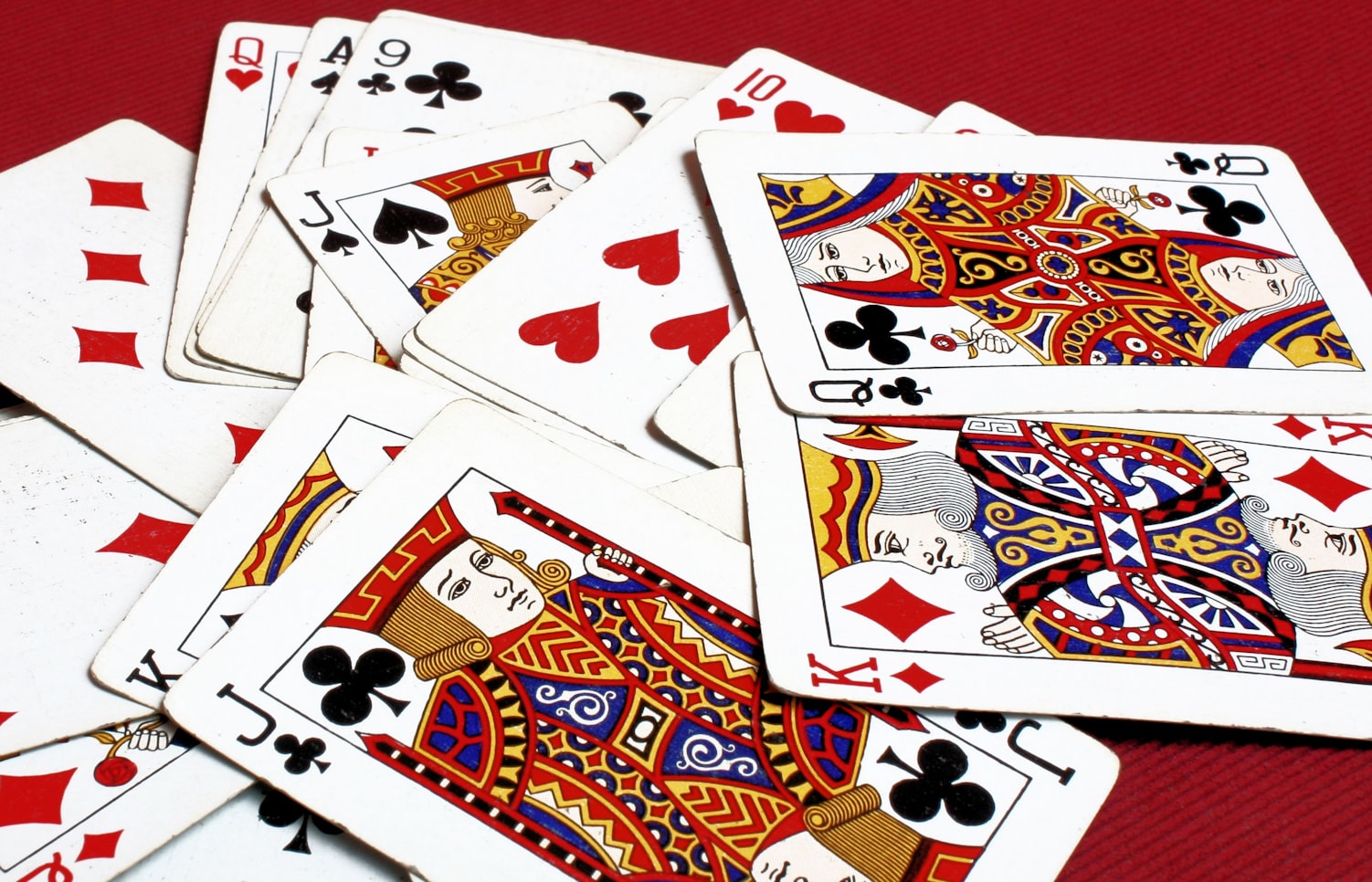
The earliest known gambling game, known as “Six Dice,” was played in ancient China. This game reflected a simple yet captivating aspect of chance that would resonate through history. As societies evolved, so did their approaches to gambling, adapting to cultural norms and technological advancements. The introduction of cards in the 9th century in China marked a significant milestone in the evolution of gambling, offering a new layer of complexity and strategy.
The Rise of Formal Gambling Institutions
The establishment of formal gambling institutions began in the 17th century with the advent of state lotteries in Europe. Governments started to recognize the financial benefits of regulated gambling, using funds from lotteries to finance public projects. This era also saw the creation of the first casinos in Italy, where aristocrats and the wealthy gathered to partake in games of chance. These venues provided not just a place for gambling but also a social hub for the elite, shaping the cultural perception of gambling as a fashionable pastime.
As the concept of casinos spread throughout Europe, the modern gambling landscape began to take shape. The famous Casino di Venezia, opened in 1638, became a prototype for future gaming establishments. The formalization of rules and regulations in these venues brought a sense of legitimacy to gambling, transforming it from a clandestine activity into a recognized form of entertainment. This shift paved the way for the global expansion of casinos and betting houses in the following centuries.
The Impact of the Industrial Revolution
The Industrial Revolution in the 19th century drastically changed the landscape of gambling, introducing new technologies and increasing urbanization. With the rise of the working class, more people sought entertainment, leading to an explosion in the popularity of betting. The introduction of mechanical slot machines in the late 1800s created a new gambling phenomenon. These machines were simple to use and offered the thrill of chance without the need for complex skills.
Moreover, horse racing became increasingly popular during this period, with betting on races transforming into a major social activity. The establishment of official racetracks and the implementation of betting laws legitimized this form of gambling. As transportation improved, so did the accessibility of these venues, allowing even more people to engage in gambling activities, further embedding it into the social fabric of society.
The Digital Age and Online Gambling
The late 20th century witnessed a revolution in gambling with the advent of the internet. Online casinos and betting platforms emerged, providing a new dimension of convenience and accessibility to players worldwide. This shift democratized gambling, allowing individuals to participate from the comfort of their homes. The ability to play various games, including poker, slots, and sports betting, attracted a diverse audience, driving the growth of the online gambling industry.
As technology progressed, innovations such as live dealer games and mobile applications enhanced the user experience. The integration of cryptocurrencies introduced new possibilities for secure and anonymous transactions, further appealing to tech-savvy gamblers. Regulatory bodies began to establish guidelines for online gambling, ensuring fair play and consumer protection, which contributed to the legitimacy and growth of this rapidly expanding market.
Exploring the Future of Gambling
As we look to the future, the evolution of gambling continues to be shaped by cultural perspectives and technological advancements. With the rise of virtual reality and augmented reality, the gaming experience is set to become more immersive and interactive. Social gambling, where players engage with friends online, is also expected to gain popularity as individuals seek community and connection in their gaming experiences.
The balance between entertainment and responsible gambling will be crucial in the coming years. As awareness of gambling addiction increases, operators are implementing measures to promote responsible gaming practices. The fusion of technology and regulation will play a significant role in shaping the landscape of gambling, ensuring that it remains a safe and enjoyable activity for all players.