Understanding Request for Access: A Guide to Navigating Information Accessibility
In today’s information-driven world, the ability to access data and documents is crucial for various sectors, including research, legal, and individual pursuits. The term request for access refers to the formal procedure by which individuals or organizations seek permission to access specific information held by public bodies or private organizations. This article aims to provide a comprehensive overview of what a request for access entails, the significance of these requests, and the steps involved in the process.
The Importance of Information Access
Access to information is a foundational pillar in democratic societies. It promotes transparency, accountability, and engagement among citizens. When individuals can obtain information related to governmental decisions, legislative actions, or even private sector activities, it empowers them to hold authorities accountable. Moreover, information access fosters informed participation in civic activities and strengthens public trust in institutions.
Types of Information Typically Accessible
Requests for access can pertain to various types of information, including:
- Government Records: These include meeting minutes, reports, financial documents, and any material produced or received by government agencies.
- Legal Documents: Individuals may request access to court records, case files, or evidence related to specific legal proceedings.
- Environmental Data: This may involve requesting data on environmental assessments, pollution levels, or land use.
- Corporate Information: Stakeholders may request information relating to corporate governance, financial reports, and other documents held by public companies.
The Process of Making a Request for Access
Making a request for access generally involves several steps:
- Identify the Information Needed: Begin by clearly defining the information you wish to access. Be as specific as possible to facilitate the processing of your request.
- Determine the Relevant Authority: Identify the agency or organization that holds the information. Different jurisdictions may have varying protocols for handling access requests.
- Review Access Laws: Familiarize yourself with applicable laws governing information access in your jurisdiction. Many regions have Freedom of Information (FOI) laws that outline your rights and the agency’s obligations.
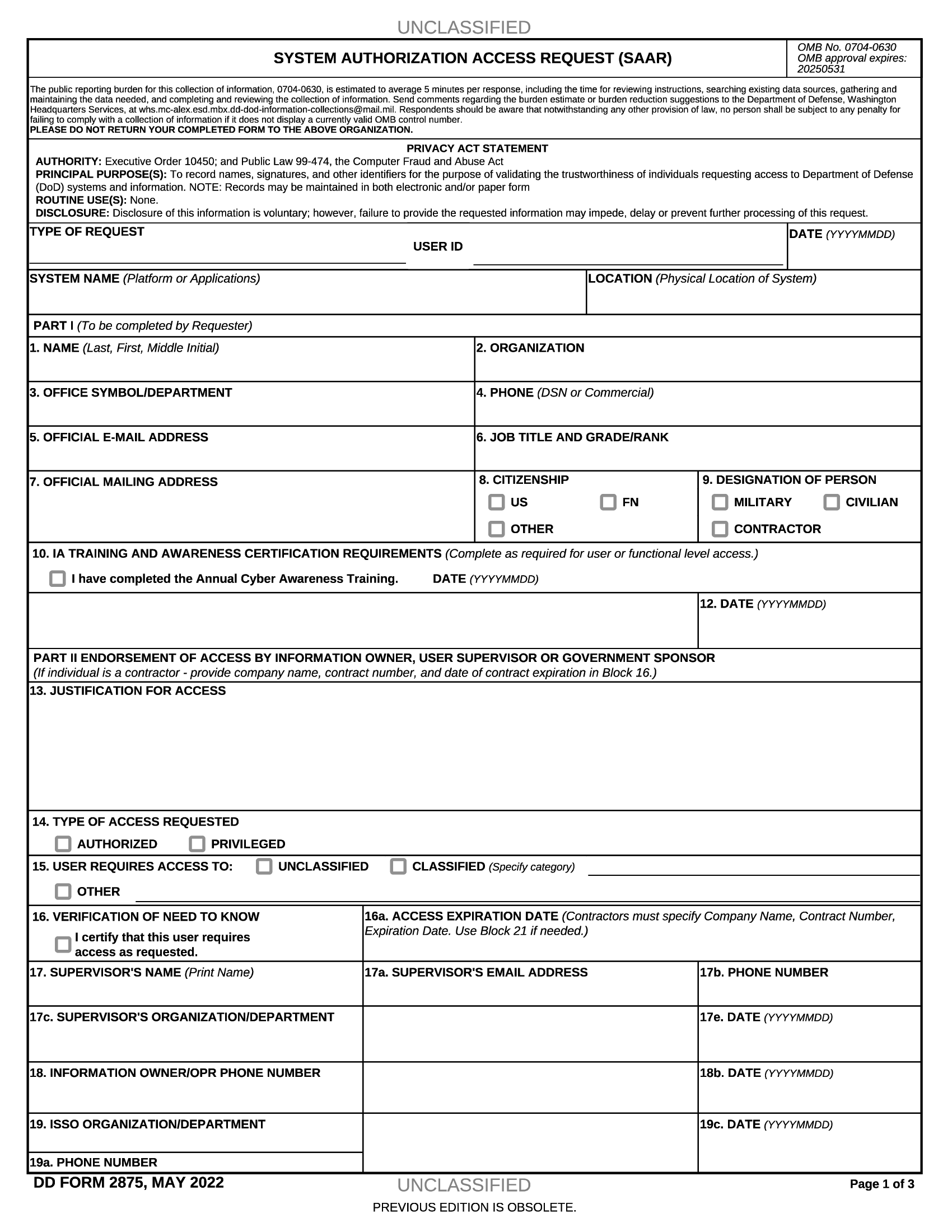
- Submit a Formal Request: Write a formal request, including your contact information, a detailed description of the information sought, and any necessary identification. Follow the specific guidelines set by the agency.
- Await a Response: Agencies typically have a specified timeframe in which they must respond to requests. Be prepared for a potential follow-up if the agency requires clarification.
- Consider Appeals: If your request is denied or partially satisfied, you may have the option to appeal the decision, depending on the jurisdiction’s regulations.
Challenges to Accessing Information
While the right to access information is well established, numerous challenges can arise:
- Exemptions: Certain information may be exempt from disclosure for reasons relating to national security, personal privacy, or legal privileges.
- Overly Broad Requests: Requests that are too general may be denied, as agencies may not have the resources to fulfill them.
- Delayed Responses: Processing times can vary significantly, and requests can be delayed due to backlog or administrative inefficiencies.
- Cost Implications: Some agencies may charge fees for processing requests, which can deter individuals from pursuing access.
Best Practices for Successful Requests
To improve the chances of successfully obtaining the information you seek, consider these best practices:
- Be Clear and Concise: State your request clearly without unnecessary jargon. The more straightforward you are, the easier it will be for the agency to understand your needs.
- Know Your Rights: Educate yourself about your rights under applicable information access laws. This knowledge can serve as a powerful tool in advocating for your request.
- Follow Up: If you have not received a response within the stipulated time, do not hesitate to follow up with the agency for an update.
- Network with Advocacy Groups: Connecting with organizations that specialize in information access can provide valuable resources and support throughout the process.
Conclusion
A request for access to information is a vital mechanism for ensuring transparency and accountability within both government and private sectors. By understanding the process, challenges, and best practices associated with making such requests, individuals can better navigate the complexities of information accessibility. In a world where knowledge is power, the ability to access and utilize information is essential for empowerment, advocacy, and informed decision-making.