
What are all the cryptocurrencies
Some examples of digital currencies include cryptocurrencies, stablecoins, and Central Bank Digital Currencies. Interestingly, CBDCs are a common highlight in every digital currency vs cryptocurrency comparison as they are the most credible form of digital currency 100 free spins slots. CBDCs are a type of digital currency issued by the government or national monetary authority of a country.
We all want immediate transactions, but it’s not possible every time. For example, when it comes to Bitcoins, if you trade them, they will be available at the very same moment. The same goes for sending them to your friends. But, for those who are mining through their super-powerful computers, it’s not that easy. They may need to wait for a little until the transaction is completed, and that can be a little frustrating. In the blockchain, there are just 7 transactions per second, and compared to the other currencies, that’s far less than 20, 50, or even 2000 transactions per second. But, on the other hand, you should be aware that Bitcoin money transfer is covered with a few layers of protection and encryption, and that’s why it may be much slower than the other currencies.
Next, a genuine cryptocurrency system keeps permanent records of cryptocurrency units and who owns them. In Bitcoin’s case, this is accomplished through a distributed ledger found on multiple computers scattered around the world.
Do all cryptocurrencies use blockchain
Not all blockchains are 100% impenetrable. They are distributed ledgers that use code to create the security level they have become known for. If there are vulnerabilities in the coding, they can be exploited.
Tokenomics is your roadmap in the crypto journey. It’s the science that tells you whether a token is worth your time and investment. It covers everything from mining and staking to token burns and supply limits.
Despite its promise, blockchain remains something of a niche technology. Gray sees the potential for blockchain being used in more situations but it depends on future government policies. “It remains to be seen when and if regulators like the SEC will take action. One thing is evident—the goal will be to protect markets and investors,” he says.
Blockchain and cryptocurrency are two of the most revolutionary innovations of the 21st century. If you’re reading this, you’re probably curious about how these technologies work, how they impact the world, and how they might shape the future of finance and technology. In this article, I will dive into the details of blockchain and cryptocurrency, explain their connection, and explore the broader implications they have on our lives.
At its core, blockchain is a type of database or ledger that records transactions across multiple computers in a secure and transparent manner. Unlike traditional centralized databases, blockchain is decentralized. This means no single entity has control over the data, making it harder to tamper with.
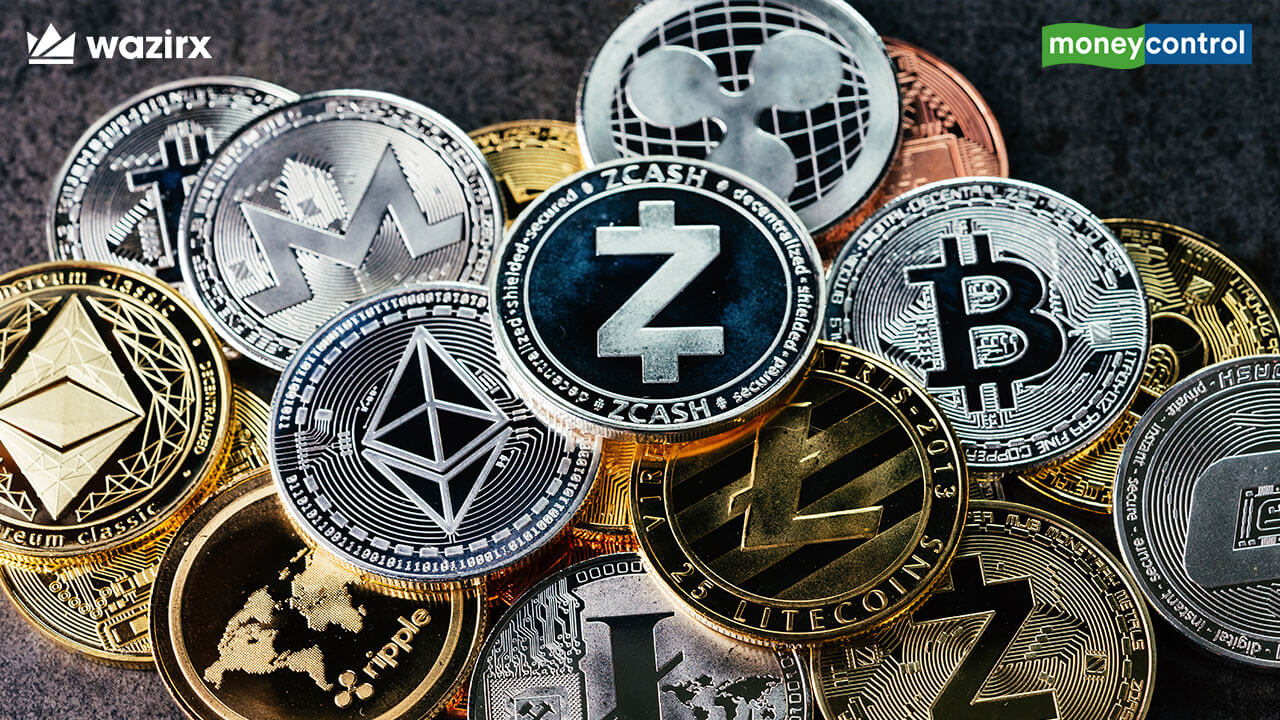
All the cryptocurrencies
Welcome to CoinMarketCap.com! This site was founded in May 2013 by Brandon Chez to provide up-to-date cryptocurrency prices, charts and data about the emerging cryptocurrency markets. Since then, the world of blockchain and cryptocurrency has grown exponentially and we are very proud to have grown with it. We take our data very seriously and we do not change our data to fit any narrative: we stand for accurately, timely and unbiased information.
The first chain to launch smart contracts was Ethereum. A smart contract enables multiple scripts to engage with each other using clearly defined rules, to execute on tasks which can become a coded form of a contract. They have revolutionized the digital asset space because they have enabled decentralized exchanges, decentralized finance, ICOs, IDOs and much more. A huge proportion of the value created and stored in cryptocurrency is enabled by smart contracts.
Almost. We have a process that we use to verify assets. Once verified, we create a coin description page like this. The world of crypto now contains many coins and tokens that we feel unable to verify. In those situations, our Dexscan product lists them automatically by taking on-chain data for newly created smart contracts. We do not cover every chain, but at the time of writing we track the top 70 crypto chains, which means that we list more than 97% of all tokens.
The abundance of cryptocurrencies and tokens is primarily due to the ease of creating tokens using templates and tools. Forking public repositories of existing cryptocurrencies is also very easy. This accessibility allows developers, businesses, and even non-tech-savvy individuals to create unique digital assets tailored to specific use cases, industries, financial solutions, or simply for fun and experimentation. As a result, we see a diverse and growing ecosystem of digital currencies.